How Does Wedge Wire Screen Cylinder Work?
Wedge wire screen cylinders are widely used in industrial filtration and solid-liquid separation systems because of their high strength, precise filtration accuracy, and excellent anti-clogging performance. From wastewater treatment and mining to food processing and petroleum filtration, these screen cylinders help improve filtration efficiency while reducing maintenance costs.
What Is a Wedge Wire Screen Cylinder?
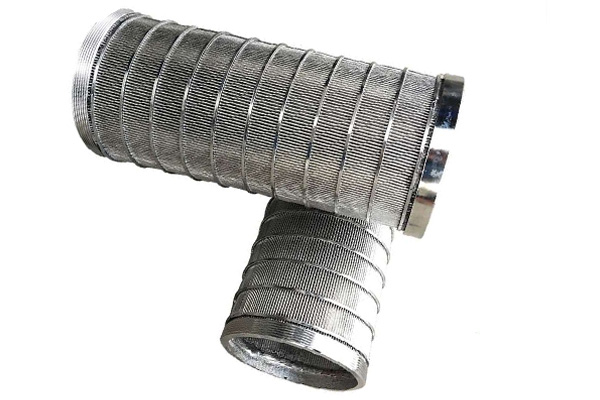
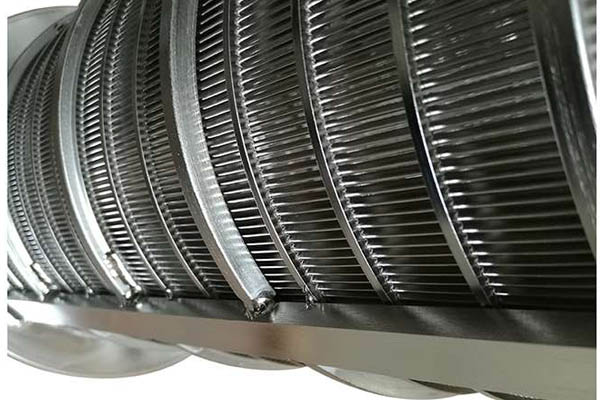
A wedge wire screen cylinder is a cylindrical filtration component manufactured by welding stainless steel wedge-shaped profile wires onto support rods. The surface profile is usually a V-shaped wire, while the support rods may be round, triangular, or rectangular depending on the application requirements.
The wedge-shaped wire structure creates continuous slot openings that allow liquids to pass through while retaining solid particles.
Because of its durable construction and precise slot control, the wedge wire screen cylinder is commonly used in:
Water treatment systems
Petroleum filtration
Chemical processing
Mining operations
Food and beverage filtration
Agricultural waste treatment
Solid-liquid separation systems
How Does a Wedge Wire Screen Cylinder Work?
The working principle of a wedge wire screen cylinder is based on mechanical filtration through precisely controlled slot openings.
As liquid or slurry flows through the screen surface, solid particles larger than the slot opening are retained outside the cylinder, while filtered liquid passes through the continuous gaps.
The narrow opening on the surface captures particles accurately.
The wider internal gap improves flow capacity.
The wedge structure reduces clogging by preventing particles from becoming trapped inside the slots.
This self-cleaning effect helps maintain stable filtration performance and reduces cleaning frequency.
In many industrial systems, wedge wire screen cylinders are also used in re verse cleaning operations, where backwashing helps remove accumulated debris from the screen surface.
Main Features of Wedge Wire Screen Cylinders
Accurate Filtration Performance
The continuous slot openings provide highly consistent filtration accuracy, typically ranging from 0.02 mm to 2.0 mm depending on the application.
This precise separation capability helps protect downstream equipment and improve product quality.
High Mechanical Strength
Each profile wire is welded directly to the support rods, creating a strong and durable structure capable of handling high-pressure and heavy-load applications.
Corrosion and Wear Resistance
Most wedge wire screen cylinders are manufactured from stainless steel materials such as 304 or 316L, offering excellent resistance to corrosion, abrasion, and chemical exposure.
Anti-Clogging Design
The V-shaped wire profile minimizes blockage and improves flow efficiency, making the screen suitable for continuous industrial operation.
Easy Cleaning and Maintenance
The smooth surface and self-cleaning slot design allow easier cleaning, lower maintenance frequency, and longer service life.
Common Applications of Wedge Wire Screen Cylinders
Wedge wire screen cylinders are widely used in industries that require efficient filtration and separation.
Typical applications include:
Wastewater treatment plants
Sludge dewatering systems
Petroleum and oil filtration
Geothermal drilling
Chemical processing equipment
Livestock waste treatment
Kitchen waste separation
Agricultural irrigation systems
Mining and mineral processing
Their ability to handle high flow rates and difficult operating conditions makes them ideal for demanding industrial environments.
Why Industries Prefer Wedge Wire Screen Cylinders
Compared with perforated pipes or woven mesh filters, wedge wire screen cylinders offer several operational advantages:
Better filtration precision
Higher open area
Improved flow efficiency
Reduced pressure drop
Longer operational lifespan
Lower maintenance costs
Stronger structural integrity
These benefits help industries improve productivity while reducing downtime and replacement frequency.
FAQ About Wedge Wire Screen Cylinders
What slot size should I choose for my application?
The ideal slot size depends on particle size, flow rate, and filtration requirements. Smaller slots provide finer filtration, while larger slots allow higher flow capacity.
Can wedge wire screen cylinders handle high-pressure systems?
Yes. Their welded structure provides excellent mechanical strength, making them suitable for high-pressure and heavy-duty industrial applications.
How often do wedge wire screen cylinders need cleaning?
Cleaning frequency depends on the operating environment and media type. However, the self-cleaning wedge wire design significantly reduces clogging compared with traditional mesh filters.
What material is best for corrosive environments?
316L stainless steel and Duplex stainless steel are commonly recommended for applications involving corrosive liquids or harsh chemical exposure.
Are custom sizes and designs available?
Yes. Wedge wire screen cylinders can be customized in diameter, length, slot opening, wire profile, and support structure according to project requirements.
What is the difference between wedge wire screens and perforated filters?
Wedge wire screens provide more accurate filtration, higher flow efficiency, and better anti-clogging performance than traditional perforated metal filters.