In industrial filtration systems, maintenance costs are often influenced not only by filter replacement frequency but also by the design and selection of the cartridge filter housing itself.
A poorly se lected filter housing may lead to frequent maintenance, excessive pressure drop, inefficient filtration, and unnecessary operational downtime. On the other hand, a properly designed cartridge filter housing can improve filtration stability, extend filter service life, and reduce the total cost of ownership.
For industries such as chemical processing, water treatment, pharmaceuticals, food and beverage, and industrial manufacturing, cartridge filter housing selection should be considered a long-term reliability decision rather than a simple equipment purchase.
Many operators focus mainly on filter cartridges when evaluating filtration performance. However, the housing that supports and protects the filter elements plays an equally important role.
The cartridge filter housing determines:
Flow distribution through filter elements
Pressure drop performance
Ease of filter replacement
Equipment durability
Compatibility with process conditions
An unsuitable housing design can create problems such as:
Short cartridge lifespan
Frequent shutdowns
Difficult maintenance procedures
Increased labor costs
Reduced filtration efficiency
Therefore, selecting the right housing design is essential for reducing long-term maintenance expenses.
One of the most common causes of excessive maintenance is selecting a cartridge filter housing that is too small for the required flow rate.
When the housing capacity is insufficient:
Flow velocity increases
Pressure drop rises quickly
Filter cartridges become overloaded
Replacement frequency increases
A properly sized cartridge filter housing allows sufficient filtration area and helps maintain stable operating conditions.
Selection should consider:
Required flow rate
Fluid viscosity
Contaminant concentration
Required filtration accuracy
A larger filtration area often reduces cartridge loading and extends service intervals.
2. Choosing the Right Cartridge ConfigurationCartridge filter housings are available in different configurations, including:
Single cartridge housings
Multi-cartridge housings
High-flow cartridge housings
The correct configuration depends on application requirements.
For example:
Suitable for:
Small flow applications
Equipment protection
Laboratory or pilot systems
Suitable for:
Higher flow industrial systems
Continuous production processes
Applications requiring longer maintenance intervals
Selecting a suitable cartridge arrangement helps balance initial equipment cost and long-term operating efficiency.
3. Material Selection for Longer Service LifeMaterial compatibility is a critical factor affecting maintenance requirements.
Industrial filtration systems may handle:
Corrosive chemicals
High-temperature fluids
Aggressive process media
Common cartridge filter housing materials include:
Stainless Steel 304
Stainless Steel 316/316L
Carbon steel with protective coating
Customized alloys
For corrosive environments, selecting corrosion-resistant materials can significantly reduce:
Replacement frequency
Surface degradation
Unexpected equipment failure
Material selection should be based on:
Fluid composition
Operating temperature
Pressure conditions
Chemical compatibility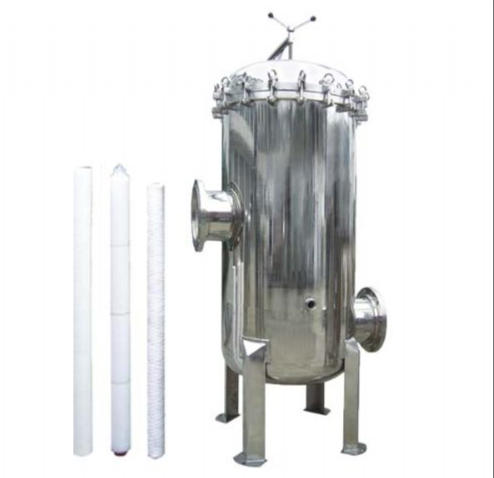
A well-designed cartridge filter housing should not only provide filtration performance but also simplify maintenance.
Important design features include:
A practical housing design allows operators to:
Quickly access filter elements
Reduce replacement time
Minimize production interruption
Poor sealing may cause:
Leakage
Product contamination
Additional maintenance work
High-quality sealing components help maintain reliable operation.
Proper drain and vent designs improve:
Cleaning efficiency
Safety during maintenance
Filter change procedures
Pressure drop is an important indicator of filtration system performance.
As contaminants accumulate, pressure loss across the filter increases.
However, excessive initial pressure drop may indicate:
Incorrect housing sizing
Insufficient filtration area
Poor flow distribution
A properly designed cartridge filter housing helps maintain lower pressure loss by providing:
Adequate internal flow space
Proper cartridge arrangement
Efficient fluid distribution
Lower pressure drop contributes to:
Reduced pump energy consumption
Longer cartridge life
More stable operation
In water treatment systems, cartridge filter housings are commonly used for:
Pretreatment filtration
Membrane protection
Fine particle removal
Important considerations include:
Flow capacity
Corrosion resistance
Easy cartridge replacement
Chemical applications require careful consideration of:
Material compatibility
Temperature resistance
Pressure requirements
Stainless steel cartridge filter housings are often se lected for demanding chemical environments.
These industries require filtration systems with:
Hygienic design
Reliable sealing
Easy cleaning capability
Proper housing selection helps maintain product quality while reducing maintenance frequency.
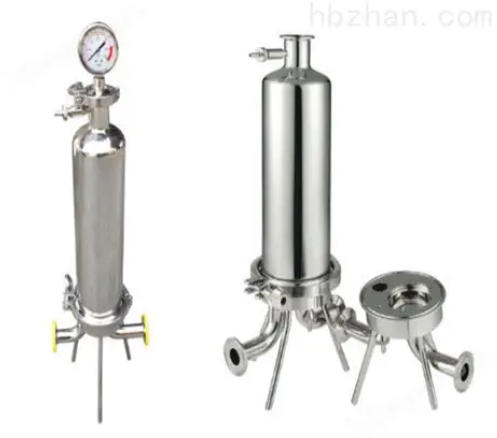
Maintenance cost is not only the price of replacement cartridges.
A complete cost evaluation should include:
Cartridge replacement frequency
Labor requirements
Downtime losses
Energy consumption
Equipment service life
A high-quality cartridge filter housing may require a higher initial investment, but it can provide long-term savings through:
Longer filter operating cycles
Reduced maintenance frequency
Improved process stability
Lower risk of unexpected shutdowns
This approach is known as lifecycle cost optimization.
Low-cost housings may result in higher long-term expenses due to frequent maintenance and shorter service life.
Selecting a housing without considering:
Pressure
Temperature
Fluid characteristics
may lead to premature failure.
Industrial systems often expand over time. Selecting a housing with insufficient capacity may increase future modification costs.
Proper cartridge filter housing selection is an important factor in reducing industrial filtration maintenance costs.
The right housing design improves:
Filtration efficiency
Cartridge service life
Operational reliability
Maintenance convenience
By considering flow requirements, material compatibility, cartridge configuration, and long-term operating conditions, industries can achieve more reliable filtration performance while reducing total ownership costs.
For demanding applications, cartridge filter housing should be viewed not only as a filtration component but as an essential part of overall process reliability.
Maintenance costs are mainly affected by housing size, cartridge configuration, material selection, operating conditions, and ease of maintenance.
A properly sized housing provides sufficient filtration area, reduces pressure drop, and helps prevent premature cartridge loading.
The best material depends on the application. Stainless steel 304 and 316/316L are commonly used for industrial applications requiring durability and corrosion resistance.
Pressure drop affects energy consumption, cartridge replacement frequency, and overall filtration system efficiency.