Industrial filtration systems are essential for protecting equipment, maintaining process stability, and improving product quality. However, as contaminants accumulate, filtration performance can decrease and maintenance requirements can increase.
Traditional filtration systems usually require manual cleaning or replacement of filter elements, which may interrupt operation and increase maintenance costs. Self cleaning filters provide an alternative solution by automatically removing accumulated contaminants while allowing continuous filtration.
Understanding the differences between self cleaning filters and conventional filters helps engineers choose the most suitable filtration method based on operating conditions, maintenance requirements, and long-term system performance.
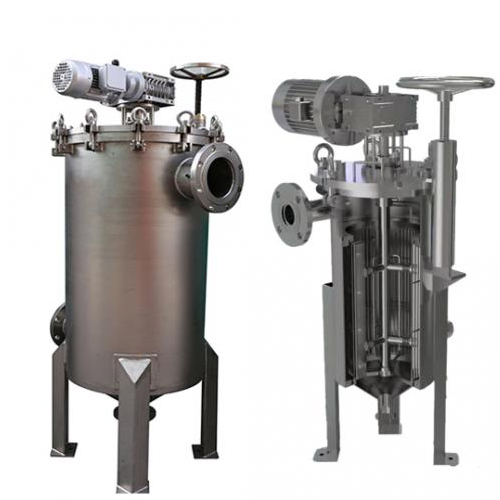
A self cleaning filter is an automatic filtration system designed to remove trapped contaminants from the filter element without stopping the filtration process.
Unlike conventional filters that require manual replacement or cleaning, self cleaning filters use automatic cleaning mechanisms to restore filtration performance during operation.
Common cleaning methods include:
Backwashing
Scraper cleaning
Brush cleaning
Suction scanning
Self cleaning filters are widely used in applications that require continuous operation, high flow rates, and reduced manual maintenance, such as:
Water treatment systems
Cooling water circulation
Industrial process filtration
Chemical processing
Power generation
The working principle of a self cleaning filter generally includes two stages: filtration and automatic cleaning.
During normal operation:
Contaminated liquid enters the filter housing.
The fluid passes through the filtration element.
Solid particles are captured on the filter surface.
Clean liquid flows out through the outlet.
As contaminants accumulate, the pressure difference between the inlet and outlet gradually increases.
When the pressure drop reaches a preset level, the cleaning process begins:
The cleaning mechanism activates automatically.
Accumulated particles are removed from the filter element.
Waste contaminants are discharged through the drain outlet.
The filter returns to normal operation.
This automatic cleaning process reduces downtime and allows continuous filtration without frequent manual intervention.
A conventional filter is a traditional filtration device that removes contaminants by passing fluid through a replaceable or manually cleaned filter element.
Common examples include:
Manual screen filters
In conventional filtration systems, particles accumulate on the filter media over time. When the filter becomes clogged or the pressure drop increases, operators need to clean or replace the filter element.
Conventional filters are commonly used in applications where:
Flow requirements are moderate
Maintenance access is convenient
Continuous operation is not essential
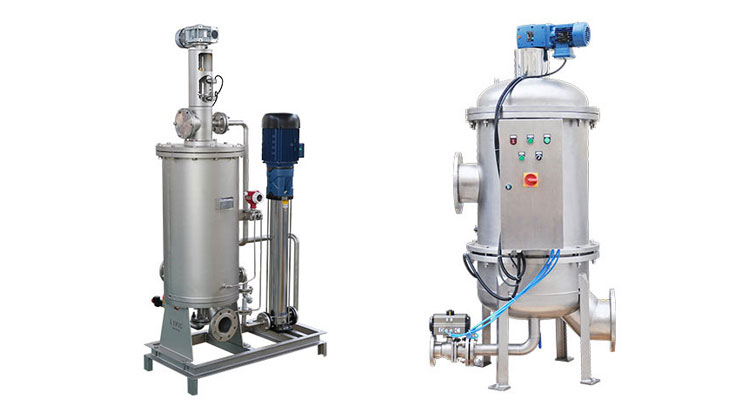
The filtration process of a conventional filter is relatively simple:
Contaminated fluid enters the filter housing.
The filter media captures unwanted particles.
Clean fluid exits the filter.
The filter element is cleaned or replaced after reaching its service limit.
Although conventional filters are reliable and widely used, frequent maintenance may be required in systems with high contamination levels or continuous operation demands.
| Comparison Factor | Self Cleaning Filter | Conventional Filter |
|---|---|---|
| Cleaning method | Automatic cleaning during operation | Manual cleaning or replacement |
| Operation | Designed for continuous filtration | May require shutdown for maintenance |
| Maintenance frequency | Lower maintenance requirements | More frequent maintenance |
| Labor requirement | Reduced manual work | Requires regular operator attention |
| Initial investment | Higher initial cost | Lower initial cost |
| Long-term operating cost | Often lower for continuous systems | May increase due to labor and consumables |
| Filtration stability | Maintains more consistent performance | Performance may decrease as clogging occurs |
| Suitable applications | Large flow and continuous processes | Small or intermittent systems |
The best choice depends on the operating environment rather than simply the equipment price. Self cleaning filters are usually more suitable where downtime and maintenance costs are critical factors.
Self cleaning filters can remove accumulated contaminants without interrupting the filtration process, making them suitable for systems requiring uninterrupted operation.
Automatic cleaning reduces the need for frequent manual filter replacement and inspection.
By controlling contaminant buildup, self cleaning filters help maintain more stable flow conditions and filtration efficiency.
Compared with disposable filter elements, reusable cleaning systems can reduce the amount of filtration waste generated.
Although self cleaning filters provide many benefits, they also have some limitations:
Higher initial equipment cost
More complex structure
Require proper selection based on fluid conditions
May not be necessary for small or low-demand applications
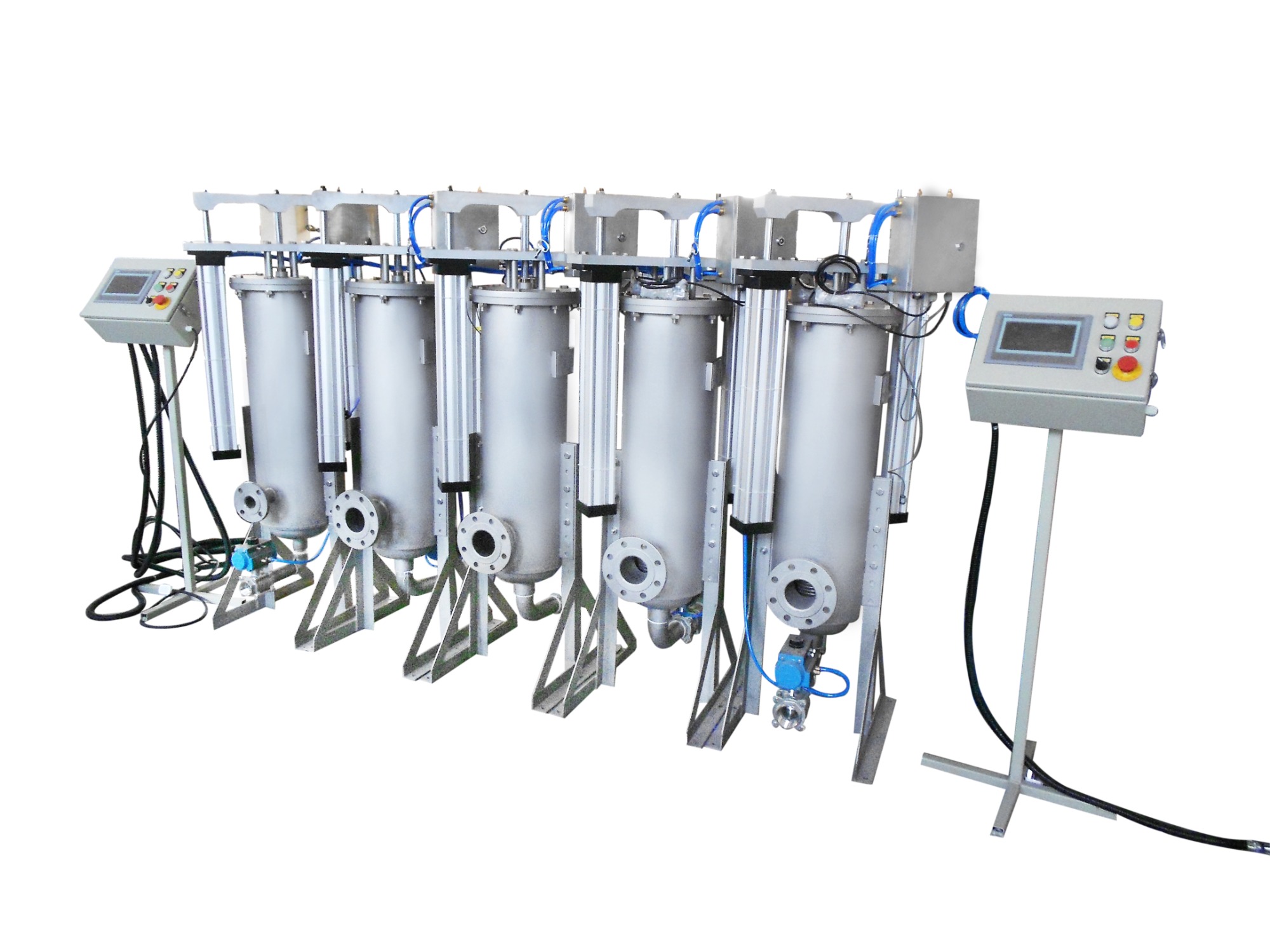
Selecting the right filtration system depends on several factors.
For systems operating continuously with minimal downtime, self cleaning filters are often a better choice.
For systems with short operating periods, conventional filters may provide a more economical solution.
Applications with high levels of suspended solids may require automatic cleaning to prevent frequent maintenance.
Low contamination systems may work effectively with conventional filters.
Large-flow industrial systems usually benefit from self cleaning filters because manual maintenance can become time-consuming.
When labor costs, accessibility, or production downtime are major concerns, self cleaning filtration systems provide advantages.
The lowest purchase price does not always represent the lowest operating cost.
Factors such as:
Labor
Replacement parts
Downtime
Waste disposal
should be considered when comparing filtration solutions.
Self cleaning filters are commonly used in:
Protecting pumps, pipelines, and process equipment from suspended solids.
Maintaining reliable operation in industrial cooling circuits.
Removing contaminants while supporting continuous production.
Protecting critical equipment from debris and particles.
Conventional filters remain suitable for:
Small water filtration systems
Laboratory applications
Low-flow process systems
Applications requiring simple filtration solutions
The main difference is the cleaning method. Self cleaning filters automatically remove accumulated contaminants, while conventional filters usually require manual cleaning or replacement.
Neither option is suitable for every application. Self cleaning filters are often preferred for continuous, high-flow systems, while conventional filters may be more practical for smaller or less demanding applications.
Yes. Although they reduce manual cleaning requirements, self cleaning filters still require regular inspection and maintenance to ensure reliable operation.
Not always. The best choice depends on flow rate, contamination level, operating conditions, and maintenance requirements.
They are widely used in water treatment, industrial process systems, cooling water applications, chemical plants, and power generation facilities.
Self cleaning filters and conventional filters both play important roles in industrial filtration. Conventional filters offer a simple and cost-effective solution for many basic applications, while self cleaning filters provide advantages in continuous operation, reduced maintenance, and improved long-term efficiency.
For industrial systems where downtime, labor requirements, and stable filtration performance are important considerations, self cleaning filters can provide a more efficient filtration approach. Choosing the right solution requires evaluating the specific operating conditions and filtration goals of each application.