Self-cleaning filters are designed to remove suspended solids from liquids while maintaining continuous operation through automatic cleaning cycles. Unlike bag filters or cartridge filters that require frequent manual replacement, self-cleaning systems use backwashing, brushes, scrapers, or suction scanning mechanisms to clean the filter element without interrupting flow.
Although the initial investment is higher, many industrial facilities choose self-cleaning filters because they reduce maintenance requirements, minimize downtime, and lower long-term operating costs. Understanding both lifecycle cost and filtration performance is essential when evaluating their true value.
Many filtration purchasing decisions focus on equipment price alone. However, the total cost of a filtration system extends far beyond the initial purchase.
A complete lifecycle cost analysis should consider:
Initial equipment investment
Installation costs
Energy consumption
Water consumption during cleaning
Maintenance labor
Consumable replacement costs
Production downtime
Equipment protection and repair costs
In many cases, a lower-cost manual filter can become more expensive over time due to frequent maintenance and production interruptions.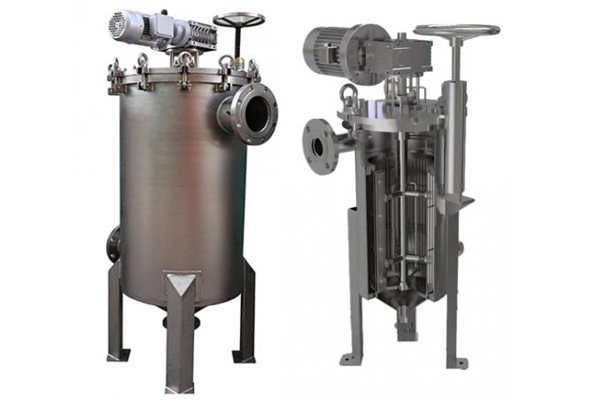
One of the most effective ways to evaluate value is by comparing self-cleaning filters with traditional filtration technologies.
| Factor | Self-Cleaning Filter | Bag Filter | Cartridge Filter |
|---|---|---|---|
| Manual Intervention | Low | High | High |
| Consumable Replacement | Minimal | Frequent | Frequent |
| Downtime | Very Low | Moderate | High |
| Flow Stability | Excellent | Moderate | Moderate |
| Lifecycle Cost | Low | High | High |
While bag and cartridge filters often have lower upfront costs, the ongoing expense of replacement elements and labor can significantly increase total ownership costs.
Differential pressure (DP) is one of the most important indicators of filter performance.
As contaminants accumulate on a filter surface, resistance increases and pressure drop rises. In conventional filters, this often results in:
Reduced flow rates
Increased pump energy consumption
Frequent maintenance shutdowns
Self-cleaning filters continuously monitor differential pressure and initiate cleaning when a preset threshold is reached. This helps maintain:
Stable flow rates
Consistent filtration efficiency
Lower energy consumption
Longer equipment life
By keeping differential pressure within an optimal range, system performance remains stable even during heavy solids loading.
Different cleaning mechanisms are designed for different operating conditions.
| Cleaning Method | Typical Application |
|---|---|
| Suction Scanner | Water treatment systems |
| Brush Cleaning | Organic and sticky solids |
| Scraper Cleaning | High-viscosity fluids |
| Backwash Systems | High-flow industrial processes |
Selecting the appropriate cleaning technology can significantly influence maintenance requirements and operational efficiency.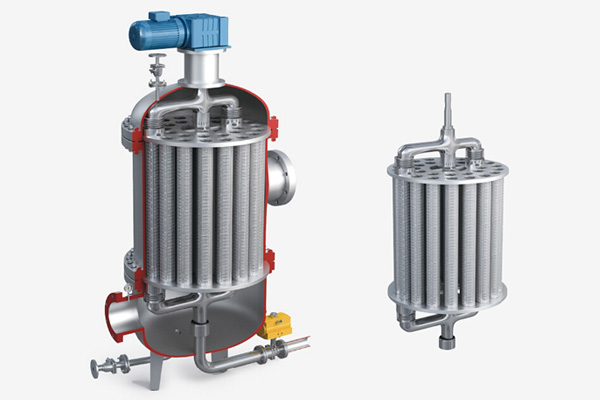
The effectiveness of a self-cleaning filter is closely linked to flow rate and total suspended solids (TSS) concentration.
Higher solids loading typically results in:
More frequent cleaning cycles
Increased backwash water consumption
Greater wear on cleaning components
However, because cleaning occurs automatically, self-cleaning filters can continue operating even under challenging conditions where conventional filters would require repeated manual servicing.
This makes them particularly suitable for industrial applications involving fluctuating solids concentrations and continuous production schedules.
One often-overlooked benefit of self-cleaning filters is their ability to protect critical downstream equipment.
Effective filtration helps prevent damage to:
Pumps
Heat exchangers
Spray nozzles
Control valves
Membrane systems
By removing harmful particles before they reach sensitive equipment, self-cleaning filters reduce maintenance costs and improve overall system reliability.
Self-cleaning filters are used in a wide range of industries because of their ability to reduce operating costs and improve process stability.
| Industry | Primary Benefit |
|---|---|
| Water Treatment | Reduced labor and maintenance |
| Cooling Water Systems | Continuous equipment protection |
| Food & Beverage | Reliable sanitary operation |
| Petrochemical | Process reliability and equipment protection |
| Mining & Minerals | Handling high solids concentrations |
The combination of automatic cleaning and continuous filtration makes these systems valuable wherever downtime is costly.
Consider a facility operating a 500 GPM process stream.
Using conventional bag filters may require:
Multiple bag replacements each week
Routine maintenance labor
Scheduled production interruptions
These expenses can quickly accumulate over a year.
By switching to a self-cleaning filter, the facility can significantly reduce consumable purchases, labor costs, and downtime. Depending on operating conditions, many installations achieve a return on investment within one to three years through reduced operating expenses alone.
To maximize lifecycle value, operators should follow a preventive maintenance strategy:
Monitor differential pressure regularly
Inspect cleaning components periodically
Verify proper valve operation
Check for corrosion or wear
Schedule annual system inspections
These practices help ensure consistent performance and extend equipment lifespan.
With proper maintenance, industrial self-cleaning filters can often operate for 10–20 years or longer.
For continuous-duty applications, reduced labor, lower consumable costs, and minimized downtime often provide a strong long-term return on investment.
Cleaning frequency depends on flow rate, solids concentration, and differential pressure settings.
Yes. Most systems use significantly less water during cleaning compared to conventional media filtration systems that require extensive backwashing.
Water treatment, cooling water systems, food processing, petrochemical plants, power generation facilities, and mining operations are among the most common users.
Self-cleaning filters offer a compelling combination of performance, reliability, and long-term cost savings. While the initial capital investment may exceed that of traditional filtration systems, the reduction in maintenance labor, consumable replacements, downtime, and equipment wear often results in a substantially lower total cost of ownership. For facilities seeking continuous operation and improved process efficiency, self-cleaning filters remain one of the most effective industrial filtration solutions available.